A Complete Guide to Brushing Your Rabbit’s Fur
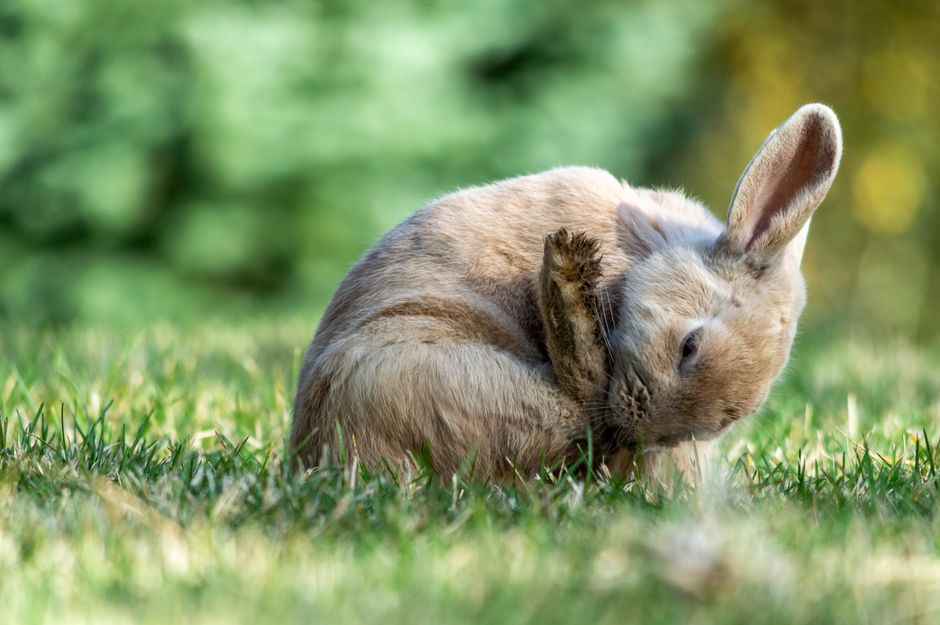
Rabbits are meticulous groomers, but their self-care routines may not always suffice, especially for certain coat types or during shedding seasons. Regular brushing is a fundamental aspect of responsible rabbit care. It helps maintain healthy skin and fur, reduces the risk of painful mats and hairballs, and offers an opportunity to check for any skin abnormalities or parasites. This guide provides a comprehensive overview of rabbit grooming, covering the frequency of brushing, the appropriate tools for various coat types, and effective techniques to keep your rabbit comfortable and clean.
Understanding the specific needs of your rabbit’s coat is essential for establishing an effective grooming routine. Different breeds have different fur characteristics, ranging from short, dense fur to long, silky locks. Each type requires particular attention and tool selection to avoid skin irritation or unnecessary stress. Additionally, rabbits have delicate skin that is prone to tearing, so the approach must always be gentle and informed. This article aims to equip rabbit owners with the knowledge to develop a grooming practice that supports overall well-being, emphasizing methodical care over haphazard brushing.
Determining Brushing Frequency
The frequency of brushing largely depends on the rabbit’s coat type and the current shedding phase. Short-haired rabbits typically require brushing once or twice a week outside of heavy shedding periods. During their molting season, which occurs several times a year, daily brushing may be necessary to manage loose fur effectively. Long-haired breeds, such as Angoras or Lionheads, demand more rigorous attention, often needing daily brushing to prevent tangles and mats from forming. Neglecting these sessions can lead to severe matting, which may necessitate shaving and cause discomfort.
Observing your rabbit’s shedding patterns is key to adjusting the schedule. When a rabbit is shedding, you will notice clumps of fur coming out easily when lightly pulled. This is a signal to increase brushing frequency to help remove the loosened fur. It is also beneficial to align brushing sessions with the rabbit’s natural activity peaks, such as early morning or evening, when they are more relaxed. Consistency is important; establishing a routine helps the rabbit become accustomed to being handled, making each session smoother. While the exact frequency can vary, the goal is to prevent loose fur from accumulating, thereby reducing the ingestion of hair during self-grooming.
Selecting the Right Tools
Choosing the appropriate grooming tools is critical for effective and safe brushing. The equipment should match the coat type and the rabbit’s sensitivity. For short-haired rabbits, a soft-bristle brush or a rubber grooming mitt can effectively remove loose fur while providing a gentle massage. These tools are gentle on the skin and help distribute natural oils, keeping the coat healthy. For long-haired breeds, a wide-toothed comb is essential for detangling, while a slicker brush can help remove undercoat and prevent mats. However, slicker brushes must be used with care, as they can scratch the skin if too much pressure is applied.
Additionally, there are specialized tools like furminators designed for deshedding, but they should be used with caution and not on all coat types. Always opt for tools with rounded tips to minimize skin irritation. It is advisable to have a comb with both wide and fine teeth to handle different sections of fur. For rabbits with very dense fur, a mat splitter might be necessary, but it should be used sparingly and only on existing tangles. Before starting a brushing session, inspect the tools for any sharp edges or damage. Regular cleaning of brushes and combs is also important to prevent the spread of bacteria or fungi. The choice of tools is a balance between efficiency and gentleness, ensuring that grooming does not become a stressful experience.
Brushing Techniques for Different Coat Types
Approaching brushing with the correct technique minimizes discomfort and maximizes the effectiveness of each session. Always start by gentle stroking to calm the rabbit, then proceed with short, slow strokes in the direction of hair growth. For short-haired rabbits, use light pressure and avoid pulling on the skin. A rubber mitt can be used in circular motions to lift loose fur. For long-haired breeds, start with a wide-toothed comb to remove any tangles, working from the ends of the hair toward the roots. It is crucial to hold the fur close to the skin to reduce pulling if a snag is encountered. If a mat is present, gently work through it with your fingers before using a comb, or use a mat splitter carefully.
Particular attention should be paid to sensitive areas such as the belly, behind the ears, and the tail region, where fur tends to mat. These areas may require extra patience and a softer touch. When brushing dense or woolly coats, take sections and lift the fur to ensure you reach the undercoat without irritating the skin. For rabbits with thick fur, a slicker brush can be used in short, sweeping strokes, but it should not be pressed too firmly. It is also beneficial to use one hand to hold the rabbit securely while the other brushes, preventing sudden movements. Brushing should be a calm, quiet activity, and if the rabbit shows signs of stress, it is wise to shorten the session and gradually increase the duration over time. Regular brushing not only maintains the coat but also strengthens the bond between owner and rabbit, as it mimics social grooming behavior.
Preventing Mats and Hairballs
Mats and hairballs are common concerns in rabbit grooming. Mats occur when loose fur tangles and compacts, forming tight clumps that can pull on the skin, causing irritation and potential skin infections. Hairballs, also known as trichobezoars, develop when a rabbit ingests loose fur during self-grooming, and excessive fur can accumulate in the digestive tract, leading to blockages. Regular brushing is the most effective preventive measure, as it removes loose fur before the rabbit can ingest it. By reducing the amount of fur swallowed, the risk of hairballs is significantly lowered. For long-haired breeds, keeping the fur trimmed around the rear and belly can also help minimize mat formation.
In addition to brushing, a diet rich in hay promotes healthy digestion and helps move ingested fur through the system. Adequate hydration is equally important. Owners should monitor their rabbit’s feces for signs of fur, which is normal in small amounts, but an increase may indicate excessive grooming. If mats do form, they should be removed with care. Small mats can be teased apart with fingers or a comb, while larger mats may require shaving with clippers, a task best performed by a professional or experienced owner. Attempting to cut mats with scissors is risky due to the delicate skin. Establishing a grooming routine that prevents mats from forming is far easier than dealing with them once they appear. Regular sessions also allow owners to inspect the rabbit for any skin issues, such as redness, parasites, or infections, enabling early intervention.
Creating a Positive Grooming Experience
The rabbit’s comfort and sense of security are paramount during grooming. Grooming should never feel forced or scary. To create a positive experience, begin by familiarizing the rabbit with the tools and the environment. Allow the rabbit to sniff the brush and reward calm behavior with treats. Choose a quiet, well-lit area with a non-slip surface to prevent slipping. Some rabbits prefer being on a higher surface, like a table, but ensure it is safe and secure. Gaining the rabbit’s trust is a gradual process. Start with short sessions, even just a few minutes, and gradually increase the duration as the rabbit becomes more comfortable.
It is also important to recognize the rabbit’s body language. Signs of stress include thumping, freezing, or trying to escape. If the rabbit is agitated, pause the session and try again later. Implementing a consistent routine, such as grooming after a treat or playtime, can help the rabbit anticipate and accept the activity. Using a soft, reassuring voice can also keep the rabbit calm. Additionally, regular grooming provides an opportunity to bond and observe the rabbit’s overall health. By making grooming a pleasant and expected part of the day, both the rabbit and the owner can enjoy the benefits without anxiety. Remember that each rabbit is unique, and adapting the approach to their individual temperament is key to a successful grooming regimen.