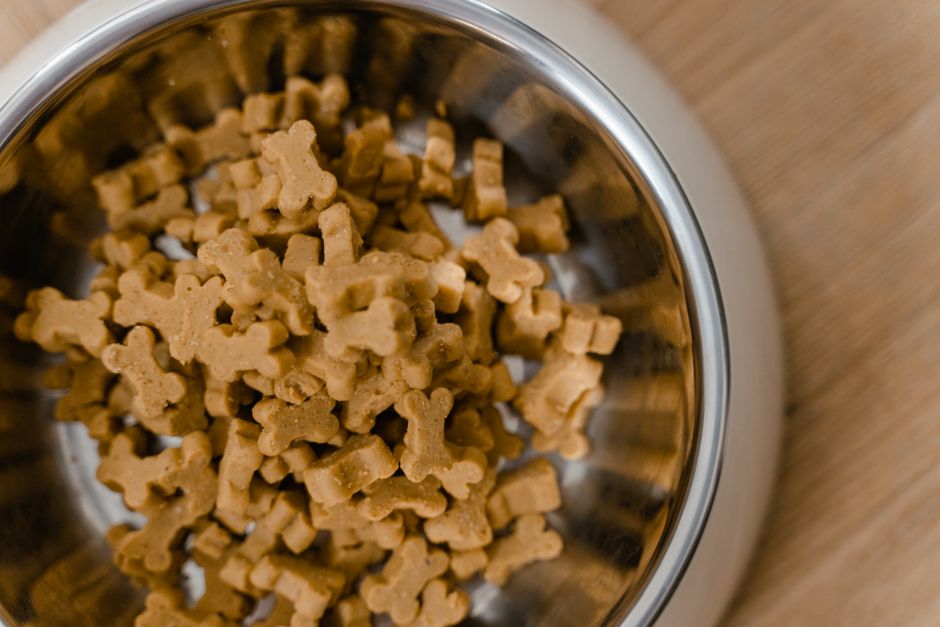
The Importance of Protein in Your Dog’s Diet
Protein is a fundamental component of a dog’s diet, playing a vital role in numerous physiological processes. It is essential for building and repairing tissues, producing enzymes and hormones, and supporting a healthy immune system. For dog owners, understanding the importance of protein can help in making informed decisions about their pet’s nutrition. This article explores why protein is crucial for muscle development and energy levels, and provides guidance on recommended sources and amounts for different life stages.
When considering a dog’s diet, protein quality and quantity are key factors. Proteins are made up of amino acids, some of which are essential because the dog’s body cannot synthesize them and they must be obtained from food. A diet that provides all essential amino acids in appropriate amounts is necessary for optimal health. The role of protein extends beyond muscle; it contributes to the structure of skin, hair, and nails, and is involved in the transport of oxygen and nutrients throughout the body.
This article aims to present a balanced view of protein in canine nutrition, based on scientific research and veterinary guidelines. It is important to note that individual dogs may have specific dietary needs, and consulting with a veterinarian is recommended when making significant changes to a dog’s diet. The information provided here is educational and not a substitute for professional advice.
Protein’s Role in Muscle Development
Muscle development in dogs is highly dependent on adequate protein intake. Muscles are composed of protein fibers, and their growth and maintenance require a constant supply of amino acids. During periods of growth, such as puppyhood, or recovery from injury, the demand for protein increases. For active and working dogs, more protein is needed to support muscle repair and growth after exertion.
Dietary protein is broken down into amino acids, which are then used to synthesize new muscle proteins. Without sufficient protein, the body may break down its own muscle tissue to meet its amino acid needs, leading to muscle loss and weakness. Therefore, ensuring that a dog’s diet contains an appropriate amount of high-quality protein is essential for maintaining strong muscles and overall physical condition.
The quality of protein matters as much as quantity. High-quality proteins, such as those from animal sources, contain all essential amino acids in proportions that align with a dog’s requirement. Plant-based proteins may be lower in certain essential amino acids and may need to be combined to achieve a complete profile. In commercial dog foods, the protein source is often listed on the label, and understanding these sources can help owners choose products that support muscle health.
Protein and Energy Levels
Protein also contributes to a dog’s energy levels, although it is not the primary energy source. Dogs typically rely on carbohydrates and fats for energy, but when these are insufficient, the body can use protein. However, using protein for energy is less efficient and can lead to a shortage of amino acids for other vital functions. Therefore, a balanced diet should provide adequate energy from non-protein sources to spare protein for its primary roles.
In addition, protein plays a role in the regulation of metabolism. Certain amino acids are involved in metabolic pathways that influence energy production. For instance, some amino acids can be converted into glucose when needed, helping to maintain blood sugar levels between meals. This can be particularly important for highly active dogs that need sustained energy throughout the day.
Dog owners may notice that their pets seem more energetic when their diet is appropriately balanced. However, it is essential to consider that energy levels are influenced by many factors, including overall caloric intake, age, and health status. Protein alone does not determine energy levels; a holistic approach to nutrition is necessary.
Sources of High-Quality Protein
Choosing the right protein source is critical for meeting a dog’s nutritional needs. Animal-based proteins, such as chicken, beef, fish, and eggs, are considered high-quality because they provide a complete amino acid profile. Organ meats, like liver and kidneys, are also rich in protein and other nutrients. Fish, such as salmon, offers protein along with omega-3 fatty acids, which confer additional health benefits for the skin and coat.
Some dogs may have allergies or sensitivities to certain proteins, in which case alternative sources can be considered. Lamb, venison, and even insect-based proteins are becoming more common in dog foods. Plant-based proteins, such as soy, peas, and lentils, can also be used but may lack one or more essential amino acids. Combining different plant proteins can create a complete profile, but it requires careful formulation.
When evaluating a dog food, it is helpful to look at the guaranteed analysis for crude protein content and to check the ingredient list for named protein sources. Specific animal meals, such as chicken meal or fish meal, are concentrated sources of protein. By-products, which include organ meats, can also be nutritious, but their quality can vary. Understanding these terms can aid in making informed choices.
Protein Requirements by Life Stage
Protein needs vary according to a dog’s life stage. Puppies require the most protein on a per-pound basis because they are growing rapidly. According to AAFCO guidelines, puppy foods should contain at least 22% protein on a dry matter basis, and many premium puppy foods contain more. This higher protein supports the development of muscles, bones, and other tissues.
Adult dogs need protein to maintain their body condition and support their activity level. The minimum requirement for adult maintenance is 18% protein on a dry matter basis, but many adult dogs thrive on diets with 25-30% protein. Highly active or working dogs may need even more to support muscle repair and energy demands. It is important to adjust protein intake based on the dog’s individual needs and to avoid overfeeding protein, which can lead to health issues in some dogs, particularly those with kidney disease.
Senior dogs often have different protein requirements. As dogs age, they may lose muscle mass due to decreased activity and metabolic changes. Some research suggests that older dogs may benefit from a higher protein intake to help preserve muscle mass. However, senior dogs may also have underlying health conditions, such as kidney or liver disease, that require protein restriction. Therefore, it is essential to consult a veterinarian to tailor protein intake for senior dogs.
Practical Considerations for Protein in Dog Food
When selecting a dog food, consider the protein source, quality, and amount in the context of the entire diet. The Association of American Feed Control Officials (AAFCO) provides nutrient profiles that serve as guidelines for complete and balanced pet foods. These profiles indicate the minimum protein percentages for growth/reproduction and adult maintenance.
It is also important to consider the digestibility of protein. A higher protein content does not always mean better if the protein is not digestible. High-quality ingredients, proper processing, and the presence of other nutrients can affect how well a dog can utilize the protein. Look for foods that have a good balance of protein, fat, and carbohydrates, and that meet the standards set by recognized organizations.
Transitioning a dog to a new food should be done gradually over several days to avoid gastrointestinal upset. Additionally, monitoring the dog’s body condition, coat quality, and overall health can help determine if the protein level is appropriate. Regular check-ups with a veterinarian can identify any potential issues early, allowing for adjustments to the diet.
As with any dietary change, it is crucial to consult with a veterinarian before altering your dog’s protein intake, especially for dogs with existing health conditions.
In summary, protein is an essential nutrient for dogs, playing a key role in muscle development and energy metabolism. The quality and amount of protein in a dog’s diet should be carefully considered based on the dog’s life stage, activity level, and health status. By choosing high-quality protein sources and adhering to established guidelines, owners can support their dog’s overall well-being. Always remember that each dog is unique, and professional guidance is beneficial in creating an optimal diet.