Understanding Your Parrot’s Body Language
Parrots are highly expressive creatures that rely on a complex system of body language to communicate their feelings, needs, and intentions. Unlike humans, who primarily use verbal language, parrots convey a wealth of information through subtle shifts in posture, feather position, and beak movements. For parrot owners, learning to read these signals is essential for building a trusting relationship and ensuring the bird’s well-being. By observing and understanding these cues, owners can respond appropriately to their parrot’s emotional state and physical needs, fostering a harmonious environment.
This article explores the nuances of parrot body language, focusing on three key areas: feather displays, beak behaviors, and overall posture. Each of these components offers valuable insights into a parrot’s mood and health. Interpreting them accurately requires patience and careful observation, as context plays a significant role. This guide aims to provide a foundational understanding of these signals, helping owners become more attuned to their feathered companions.
Reading Feather Displays
Feathers are one of the most visible indicators of a parrot’s emotional state. A relaxed parrot typically keeps its feathers smooth and slightly fluffed, allowing for natural air circulation. When a parrot is content, it may also engage in preening, which involves grooming each feather with its beak to maintain cleanliness and alignment. Preening is a sign of comfort and self-care, indicating that the bird feels secure in its environment.
Conversely, a parrot that is frightened or stressed may flatten its feathers tightly against its body, making itself appear smaller to avoid detection. This is often accompanied by a tense posture and a wide-eyed expression. On the other hand, a parrot that is excited or seeking attention might puff up its feathers, making itself look larger and more imposing. This puffing can be part of a courtship display or a way to regulate body temperature, as it traps air to retain heat. It is important to observe the context: a puffed-up parrot perched quietly might simply be relaxed, whereas one that is also vocalizing or moving energetically could be displaying excitement.
Tail feathers also contribute to communication. A parrot that is positioned upright with its tail held high may be expressing confidence or alertness. A tail that is spread widely can indicate aggression or fear, especially when accompanied by other defensive signals. Conversely, a drooping tail might suggest fatigue or illness, warranting closer attention. Owners should note any changes in feather condition, such as excessive molting, plucking, or ruffled appearance, as these can indicate stress, nutritional deficiencies, or health issues that require professional consultation.
Interpreting Beak Movements
The beak serves multiple functions for a parrot, including feeding, climbing, and vocalizing, but it is also a crucial tool for communication. One common behavior is beak grinding, where the parrot rubs its beak together in a side-to-side motion. This is often performed before sleep or when the bird is relaxed, serving as a self-soothing mechanism. Beak grinding is a positive sign that indicates the parrot feels comfortable and safe.
Another notable behavior is the ‘beak clicking’ or ‘beak popping,’ which involves quick, repetitive contacts of the upper and lower beak. This can be a playful gesture, inviting interaction, or a sign of excitement. However, it can also be a warning signal if accompanied by hissing or a defensive posture. A parrot that is opening its beak and then closing it slowly, known as ‘beaking,’ is often exploring its surroundings, tasting objects to understand them better. This is harmless and demonstrates curiosity.
Aggressive intentions are frequently communicated through beak gestures. A parrot that is lunging forward with an open beak or snapping its beak in the air is typically showing displeasure or warning that it is not comfortable with a situation. This is especially common during territorial disputes or when a parrot feels threatened by an unfamiliar person or animal. In such cases, it is best to give the bird space and avoid forcing interaction. Conversely, a parrot that is offering a gentle ‘beak tap’ or nibbling on a person’s finger is often seeking attention or displaying affection, though it is important to distinguish this from a bite, which is a more forceful action.
Understanding the nuances of beak language involves paying attention to the speed, intensity, and context of each movement. For instance, a quick succession of beak clicks might indicate impatience, while a slow, deliberate grind signals contentment. By observing these differences, owners can better anticipate their parrot’s reactions and respond appropriately, whether by providing a toy, a treat, or simply respecting the bird’s boundaries.
Decoding Posture and Body Position
A parrot’s overall posture and body position convey a wealth of information about its emotional and physical state. A confident, relaxed parrot will often stand tall with its chest out and its head upright, looking alert and engaged with its surroundings. This posture is common when the bird is exploring a new area or interacting with familiar people. In contrast, a parrot that is crouching low with its head tucked in may be submissive or frightened, attempting to appear smaller and less threatening.
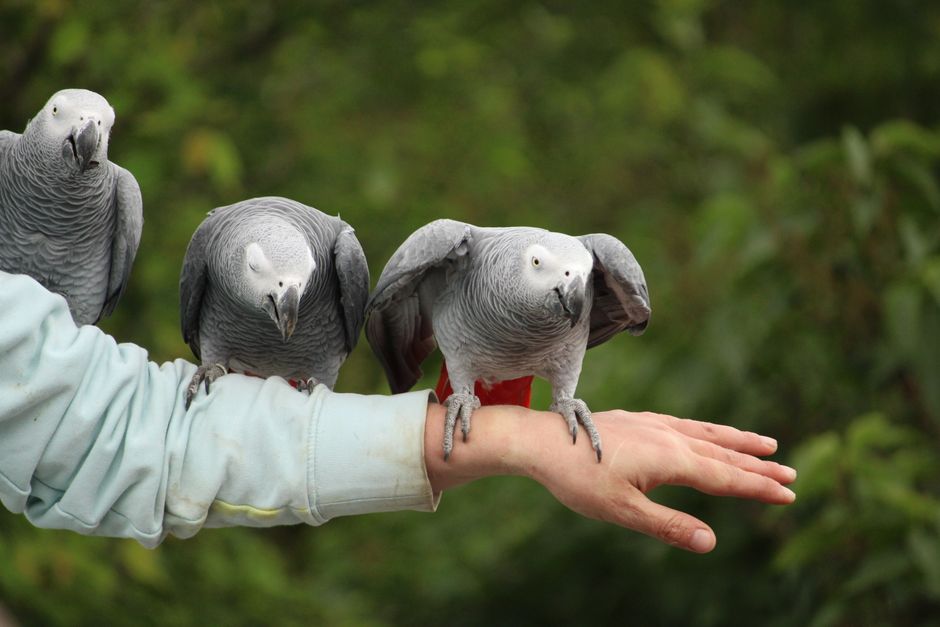
Wing movements also play a role in communication. A parrot that lifts its wings slightly away from its body, then holds them in this position, might be regulating its body temperature, especially after exercise or during warm weather. However, the same behavior, when accompanied by rapid flapping or raised feathers, could indicate agitation or a desire to escape. Flapping wings while perched can be a sign of excitement or a form of exercise, often seen in the mornings when the bird is full of energy. It is important to distinguish between intentional flight and display flapping, as the latter is not an attempt to take off, but rather to convey a message.
Head movements are also significant. A parrot that is bobbing its head up and down is often excited or hungry, as this is a common behavior in fledglings begging for food but can persist in adults. A slow, deliberate nodding may be a greeting or a sign of curiosity. Conversely, a parrot that is pressing its head down and slightly forward might be in a defensive or predatory stance, especially if it is also spreading its tail feathers. A parrot that is shaking its head vigorously might be shedding a feather or displaying annoyance, though it can also be a sign of an ear infection or other medical issue.
The position of the legs and feet can also provide clues. A parrot that is standing on one leg while resting is often relaxed and comfortable, as this allows the bird to conserve body heat. However, if the parrot is consistently favoring one leg or seems unsteady, this may indicate an injury or illness. Clinging to the side of the cage with its body flattened against the bars might signal fear or a desire for attention, while a parrot that is pacing back and forth along its perch could be exhibiting signs of boredom or stress. Observing these postural cues in combination with feather and beak signals offers a more complete picture of the parrot’s state of mind, allowing owners to address any underlying issues in a timely manner.
Context and Individual Variation
Interpreting parrot body language is not an exact science, as individual birds may display unique behaviors based on their personality, past experiences, and species-specific traits. For instance, certain parrot species are known for being more vocal or more prone to specific gestures, such as the crest-raising of cockatiels or the eye-pinning of Amazon parrots. Therefore, it is essential for owners to observe their own pet’s baseline behavior to recognize deviations. Creating a journal of typical behaviors and triggers can be helpful in tracking changes over time.
The environment also plays a critical role in shaping behavior. A parrot that feels secure in its home, with regular routines and access to enrichment, is more likely to exhibit relaxed postures and positive beak gestures. Conversely, a parrot subjected to loud noises, sudden changes, or lack of social interaction may become anxious, which manifests in defensive body language. Owners can support their feathered friends by providing a stable, enriching environment that includes plenty of toys, foraging opportunities, and social time. However, it is important to note that even with optimal care, a parrot may still display defensive signals on occasion, and this does not necessarily indicate a problem.
In addition to environmental factors, the parrot’s physical health directly influences its body language. A parrot that is feeling unwell may become less active, have ruffled feathers, or show a reduced interest in its surroundings. Changes in appetite or grooming habits are often reflected in posture and feather condition. Regular veterinary check-ups are essential for maintaining well-being, as many health issues can be detected through these observable changes. Owners should never attempt to diagnose or treat health conditions themselves, but should instead consult a qualified avian veterinarian for professional guidance.
Observation is the foundation of understanding. By taking time to watch and learn from your parrot, you can gain a deeper insight into its unique way of expressing itself.
Building a Stronger Bond Through Observation
Developing the ability to read parrot body language takes time and practice, but the benefits are substantial. A strong bond between a parrot and its owner is built on mutual trust and understanding, which can be enhanced by respecting the bird’s communication signals. When an owner recognizes that a parrot is uncomfortable, they can adjust their approach, perhaps by giving the bird more space or offering a favorite treat to build positive associations. Conversely, when a parrot displays signs of contentment, such as purring or soft chirping, the owner can engage in gentle interaction, reinforcing the positive connection.
Observation also helps in addressing potential behavioral issues. For example, if a parrot exhibits anxious behaviors like feather plucking, recognizing the triggers through body language can lead to environmental modifications that alleviate stress. Providing new toys, rearranging the cage, or increasing social interaction might reduce these behaviors, but any changes should be introduced gradually and monitored for effectiveness. It is important to remember that each parrot is an individual, and what works for one may not work for another; a flexible and patient approach is necessary.
Ultimately, understanding your parrot’s body language is a rewarding journey that deepens the relationship between you and your feathered friend. It allows for more meaningful interactions, better care, and a greater appreciation of the complexity of avian behavior. As you become more attuned to your parrot’s signals, you will likely find that the bird also becomes more responsive to your cues, creating a harmonious and communicative partnership. This guide aims to provide a starting point for that journey, encouraging owners to observe, learn, and adapt their care routines to meet the unique needs of their birds.